
Who is building Rythmo
One registered paramedic and a question worth answering properly.
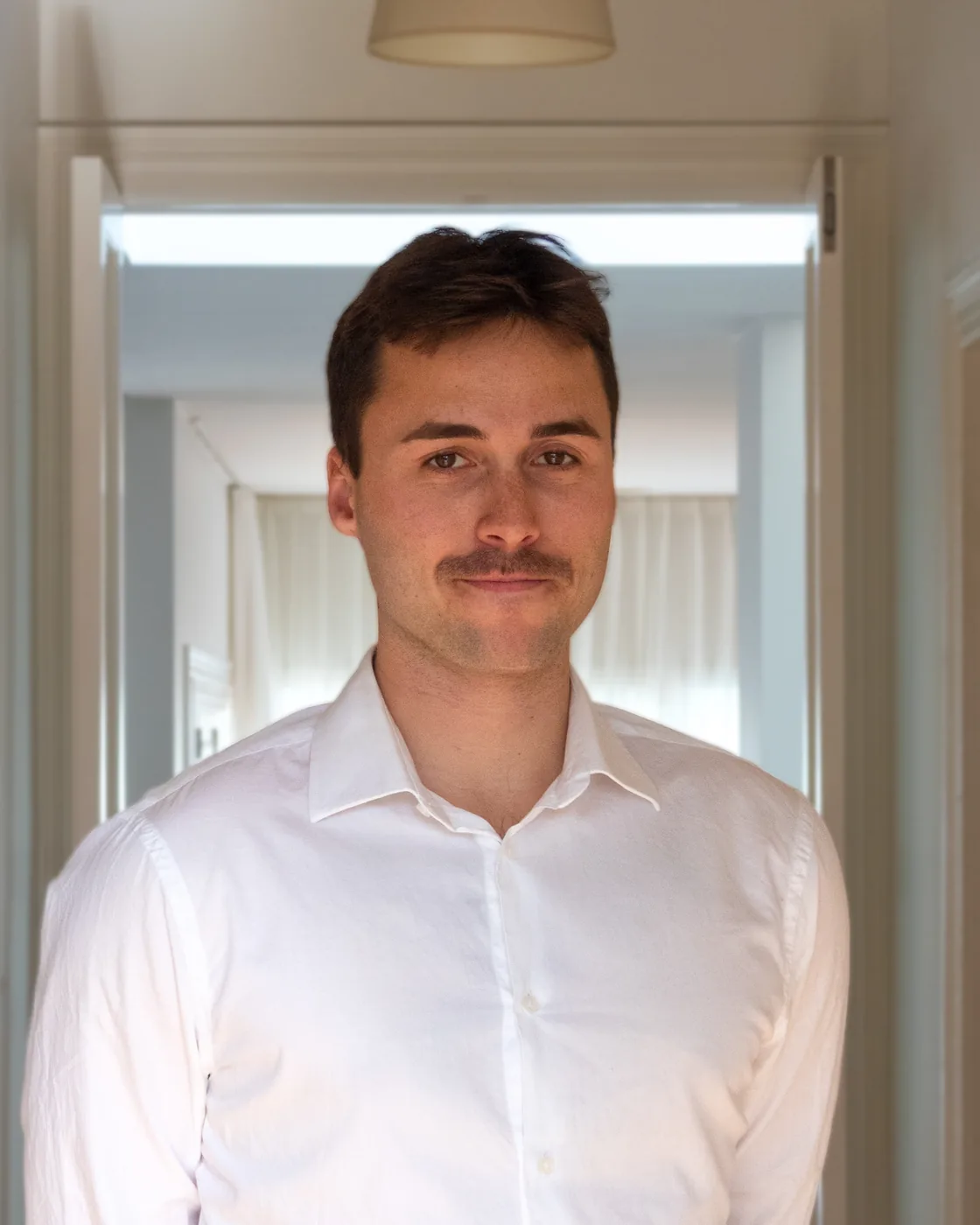
About me
I am Lachlan Sallabank, a registered paramedic. I work on road, at the beach, and at events across Victoria. Most of the settings that make a phone awkward are ones I work in.
I am actively researching respiratory rate measurement and have published on it, and I work in clinical governance. Rythmo grew out of that work but is a separate personal project, not run by, funded by, or endorsed by any university, ambulance service or lifesaving organisation.
Rythmo is a sole trader business in Victoria, Australia. No company and no investors. The breathing rate apps are free, and Rythmo Triage is licensed to organisations. The device is not for sale, because the question is worth answering properly before it gets made.
Why I started this
I take a respiratory rate on almost every patient I see, and so does nearly every clinician. The methods we have are not working. Counting breaths against a timer is tedious, and automatic breath detection is costly and not always available. Respiratory rate becomes a chore, it gets rushed or estimated, and unwell patients get missed.
With Rythmo you tap out each breath, the maths is done for you, and you have a rate in a fraction of the time.
Tap-per-breath apps already exist, so why Rythmo? The work others did to find, test and publish those apps was monumental, but the variation was pronounced. Some run only on a phone, not on a watch. Some digitise the old 15 second count rather than timing each breath. None come as a physical device you can carry to work without a phone or a watch.
Rythmo is one brand, and one place you can be sure you will get it right. The same method and the same evidence base on every platform: iPhone and Apple Watch, Android, Garmin watches, and a handheld device that needs neither.
The patient is at the centre of everything I do. Respiratory rate is one of the most telling vital signs and one of the most often skipped. Making it quick and easy means it actually gets measured.
On speed and accuracy: Karlen W, et al. Improving the accuracy and efficiency of respiratory rate measurements in children using mobile devices. PLoS One. 2014;9(6):e99266.